Every bond fund page prints a duration figure. Most investors skip past it. That is a mistake, because duration is the single number that best predicts how a fund will react when interest rates move. If rates rise one percentage point and your fund's duration is six, the number tells you roughly what happens next.
Here is what the figure means, where it came from, and the situations where it quietly stops working. This connects to our earlier piece, How to evaluate an alternative data vendor: a working checklist.
Duration Is a Price Sensitivity Number
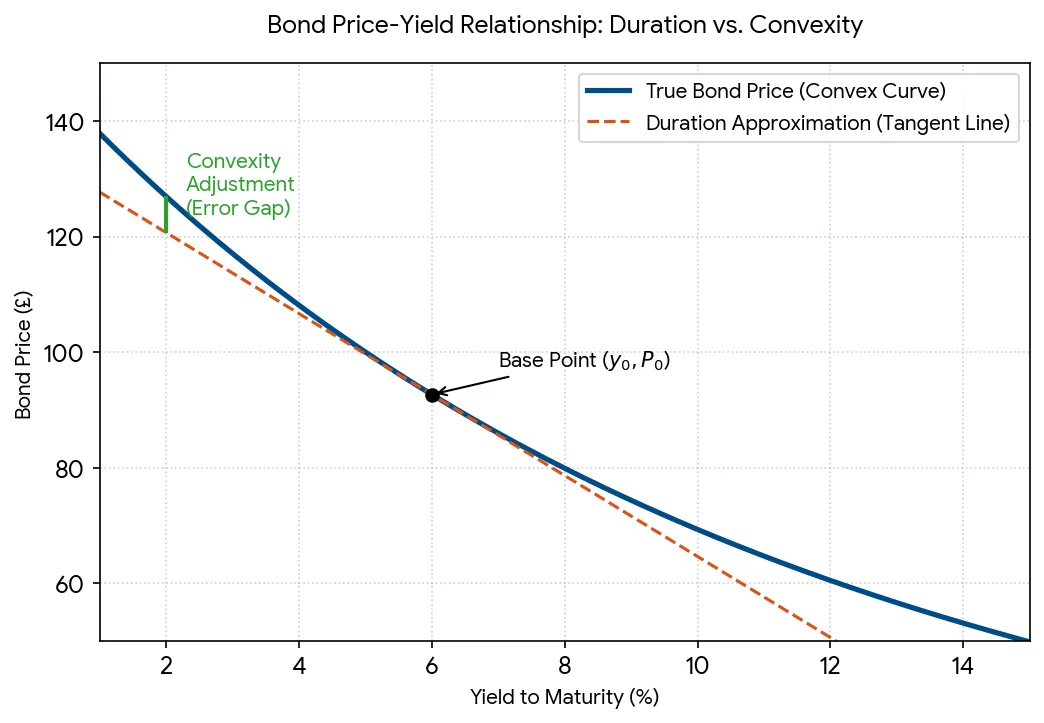
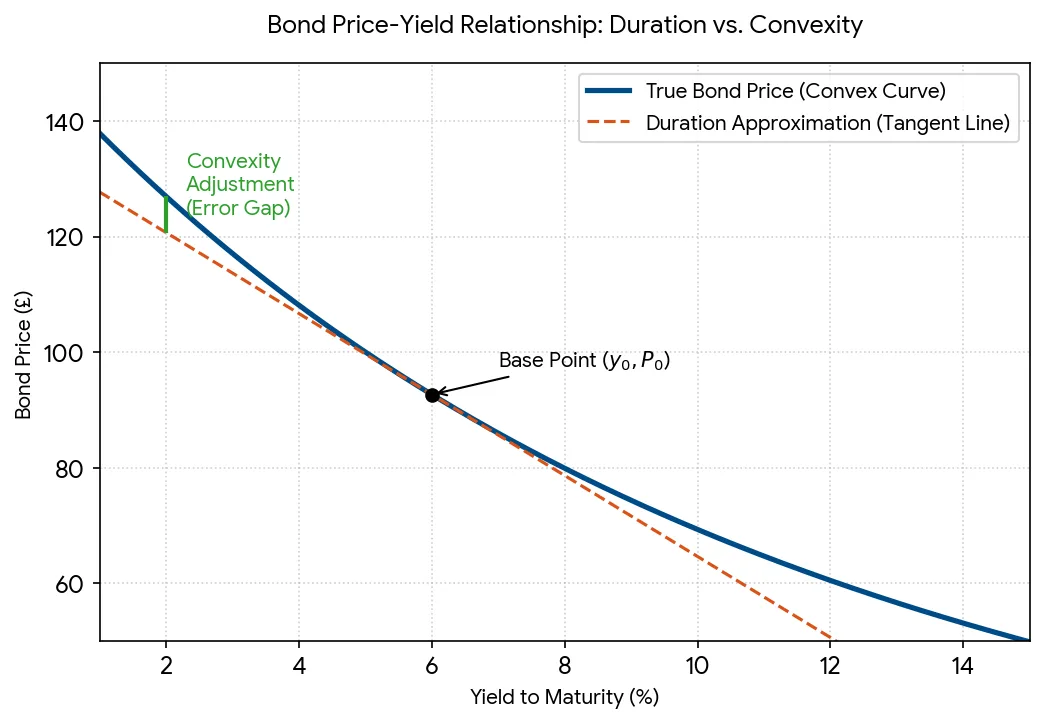
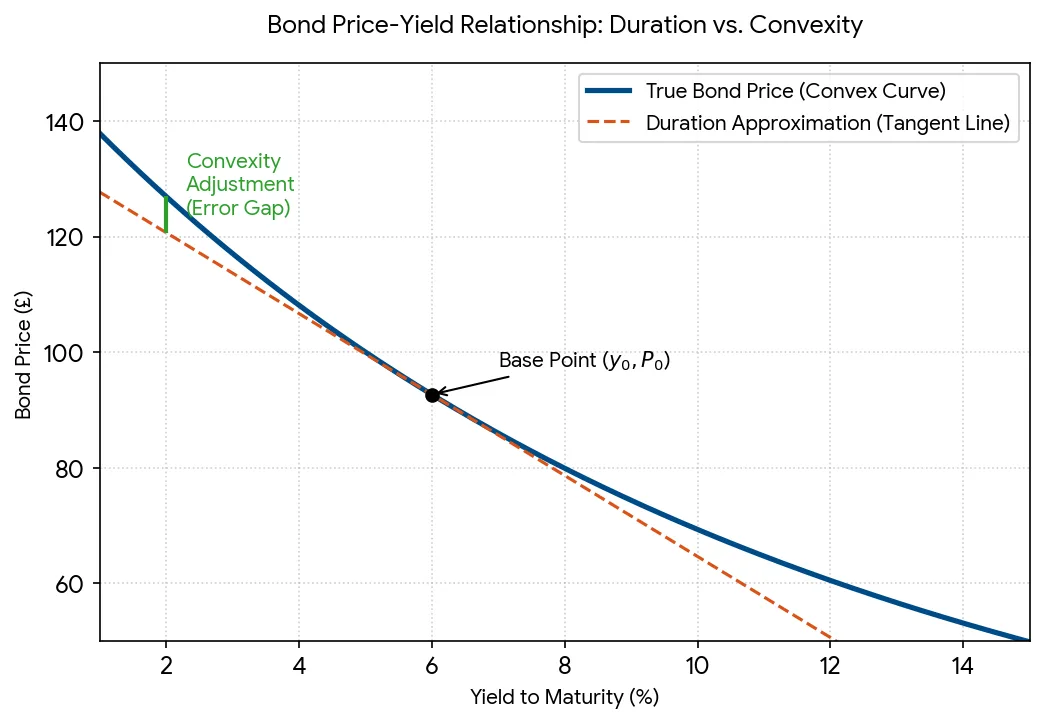
In finance, duration measures how the price of a fixed-income instrument responds to a change in interest rates. It is used to compare rate risk across bonds and to build hedges. That is the whole job of the number: turn a move in rates into an approximate move in price.
The rule of thumb is simple. A fund with a duration of six loses roughly six percent of value for a one percentage point rise in yields, and gains roughly six percent for a fall. Longer duration means bigger swings in both directions.
Two Durations With Two Jobs
The oldest version is Macaulay duration. Frederick Macaulay set out the idea in a National Bureau of Economic Research study in 1938. He defined a time-weighted average of the present values of a bond's cash flows. In plain terms: when does this bond actually pay me, weighted by how much each payment is worth today? Readers following this should also see Why random cross-validation breaks on financial time series.
Modified duration is the one fund pages usually print. It expresses the first-order percentage price change for a given move in yield. So Macaulay duration answers a timing question, while modified duration answers a price question. Related figures such as DV01 express the price change per basis point for traders who work in small moves.
Where the Number Breaks Down
Duration-based estimates work best for small, parallel shifts in the yield curve. Reality is less tidy. When short and long rates move in different directions, a single duration number cannot capture the damage, which is why practitioners report key rate durations at selected maturities.
Callable bonds break the math in another way. If a bond can be repaid early, its cash flows change when rates move, so its sensitivity changes with them. For those instruments, analysts use effective or option-adjusted duration, estimated by small curve shifts in a pricing model. A fund holding many callable or credit-sensitive bonds will warn you that its printed duration is a snapshot, not a promise.
How to Use Duration in Practice
For a fund investor, duration is a rough dial for rate risk. Short duration funds flinch less when rates move; long duration funds swing more, in both directions. Matching your fund's duration to how long you plan to hold it is a reasonable starting discipline.
What duration does not tell you: credit risk, default risk, or anything about the fees. Two funds can share a duration and still behave very differently if one holds government bonds and the other holds shaky corporate debt.
Conclusion: One Number, Used With Care
Duration earns its place on the fund page because it compresses a complicated thing into one usable figure. Read it as an estimate for small rate moves, respect its limits on callable bonds and bent yield curves, and it will tell you more about your fund's behavior than almost any other number on the sheet.
This article is general information about bond fund metrics, not investment advice. Bond investments carry risk of loss.