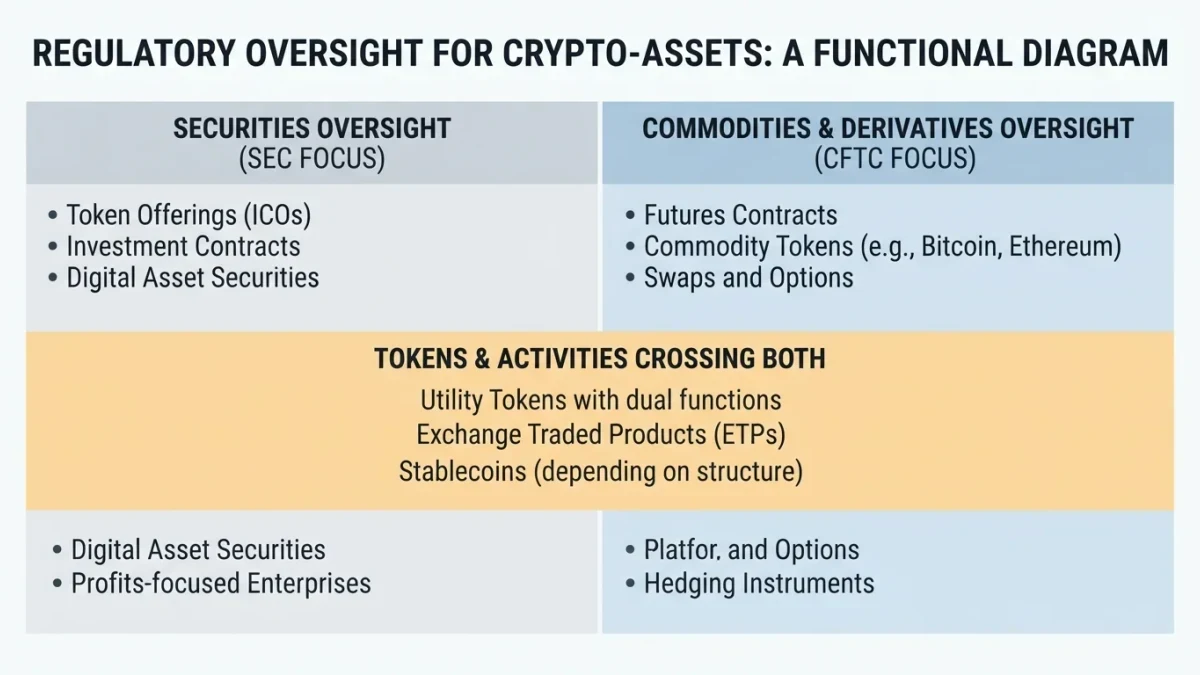

The Securities and Exchange Commission published its draft Strategic Plan for fiscal years 2026 through 2030 on June 2, 2026, naming digital assets among its top regulatory priorities, as tracked in policy analyses of the document — the latest step in the agency's shift from enforcement-led crypto positions toward formal rulemaking under the harmonization sequence begun with the March 17, 2026 joint taxonomy with the CFTC.
Strategic plans are the least glamorous documents regulators produce and among the most useful for calibration: they state, on a multi-year horizon, what an agency says it will do — creating a public benchmark against which subsequent budgets, rulemaking agendas and enforcement statistics can be compared.
What does the plan actually contain?
Draft strategic plans follow a standard structure: mission restated, priority areas identified with narrative rationale, and outcome-oriented objectives under each. The measurable content for readers is the priority list itself — digital assets elevated among them — plus the framing language: what the agency says the priorities respond to, and what it says success looks like. What the document does not contain is rule text, timelines with force, or budget commitments; those arrive separately through the unified regulatory agenda and appropriations. The plan is a statement of direction, which is why its publication is news and its fulfillment is a research program.
How does it fit the 2026 sequence?
As the third documented marker in a coordinated arc: the March 17 joint interpretive release with the CFTC established the five-category token taxonomy; the strategic plan elevates digital-asset rulemaking to a named priority; and the July 7, 2026 regulatory agenda would lay out the specific rulemakings in planning stages — with a joint SEC-CFTC request for comment on portfolio-margining harmonization following on June 26, 2026, per the harmonization initiative's tracking page. For a measurement publication, the sequence's value is its auditability: each document is public, dated, and comparable against its predecessors and successors, in a domain where policy direction was previously legible mainly through enforcement actions.
What are the document's known limits?
Three. Draft status: the plan was published for comment, and final versions typically adjust — the draft is a proposal wearing the agency's letterhead. Priorities are not rules: naming digital assets a priority commits staffing and attention, but the rules themselves arrive through the agenda process with its own comment cycles. And strategic language is aspirational by genre: agencies write plans to describe intended direction, and readers comparing plans across years should score them against delivered rulemakings, not against their own optimism. The primary documents — the plan itself, the harmonization page and the agenda — are at sec.gov, and the disciplined read of the sequence runs document by document, dated.