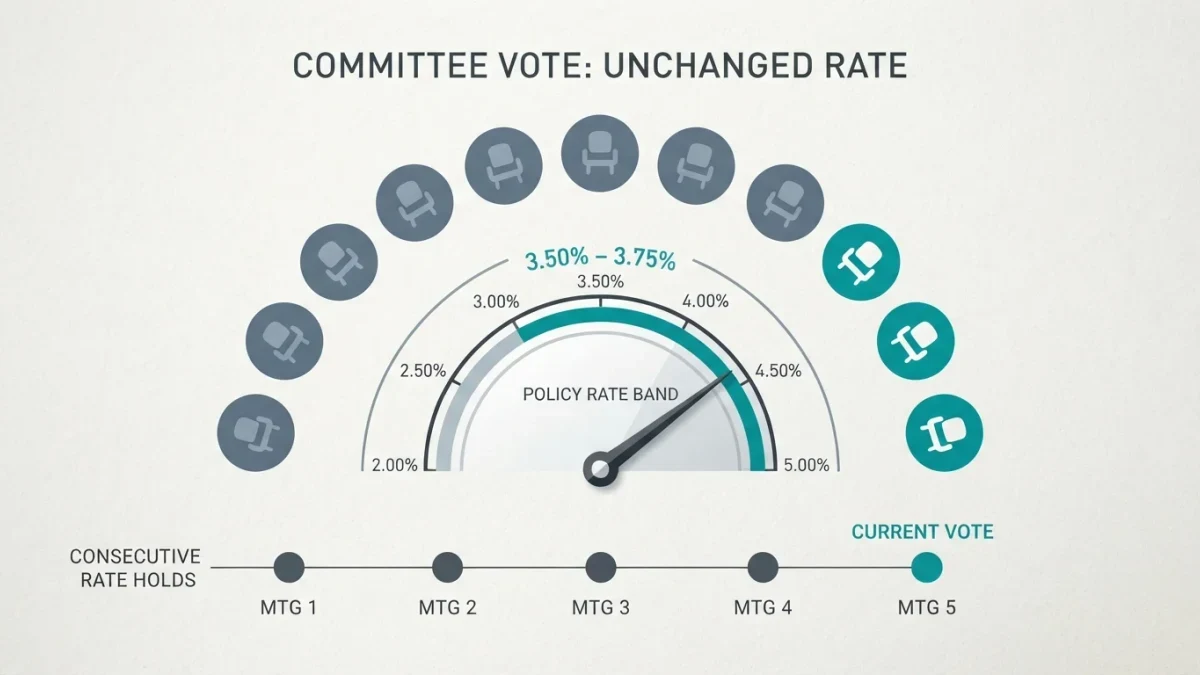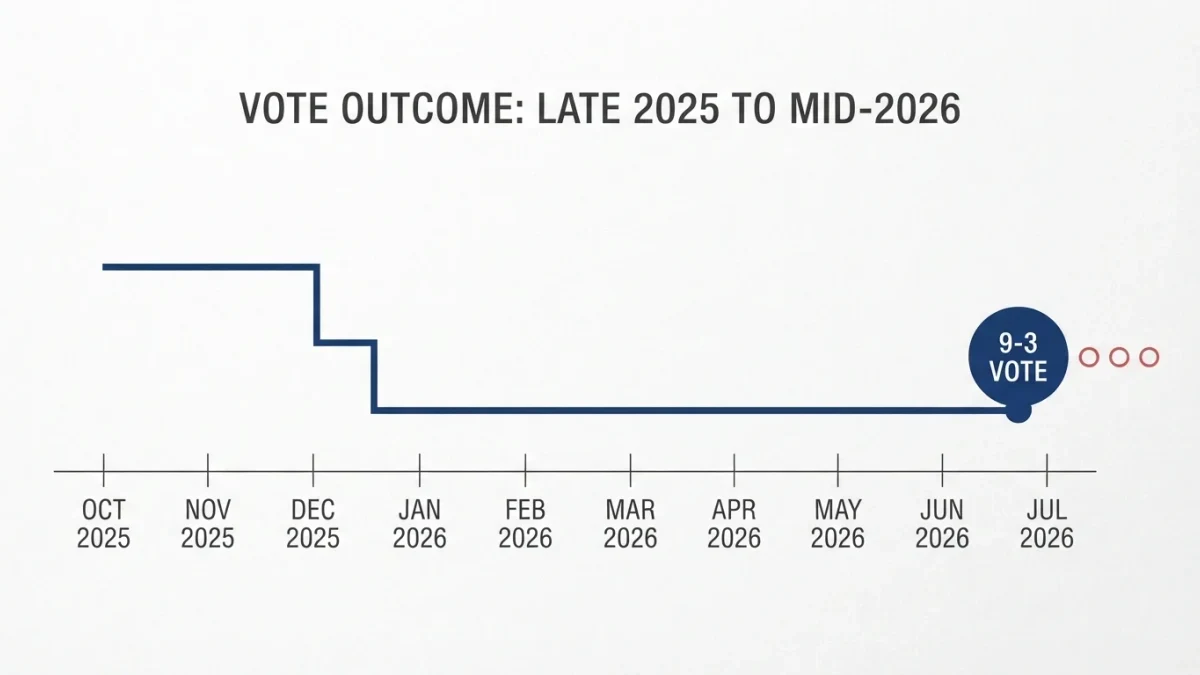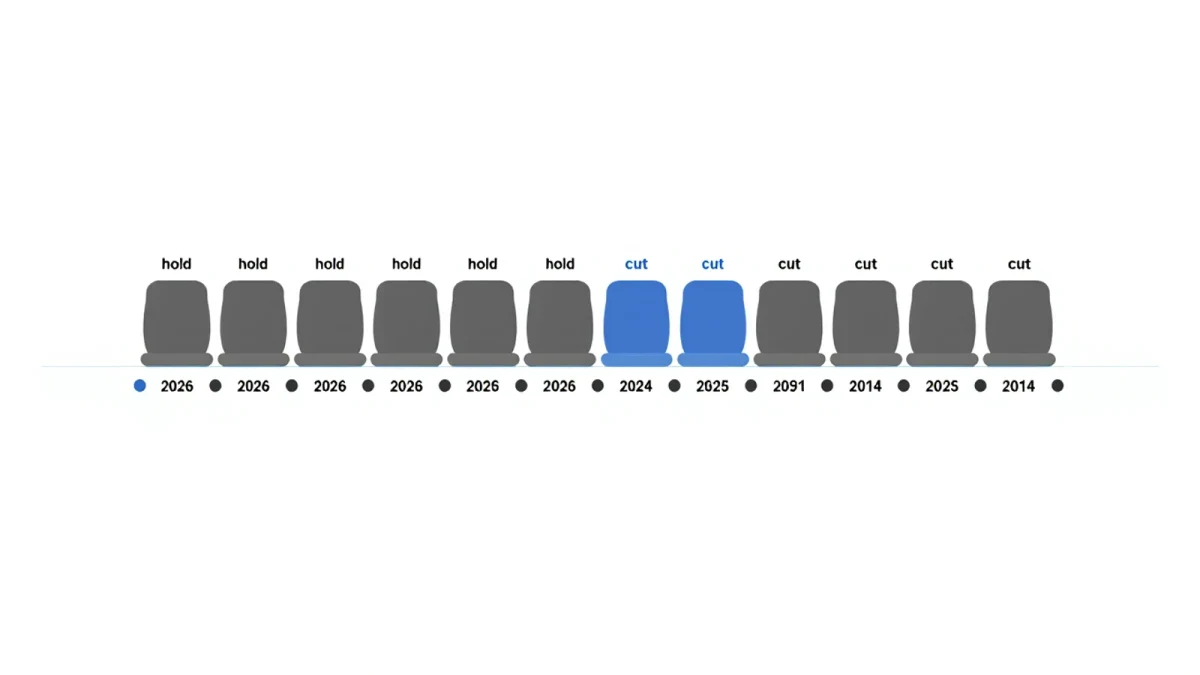
The Federal Open Market Committee held the federal funds target range at 3.50 to 3.75 percent on July 29, 2026, passing the statement by a 9-3 vote with all three dissenters favoring an increase — the first hawkish dissents of the year, arriving one meeting after a unanimous 12-0 vote, per the statement published by the Federal Reserve.
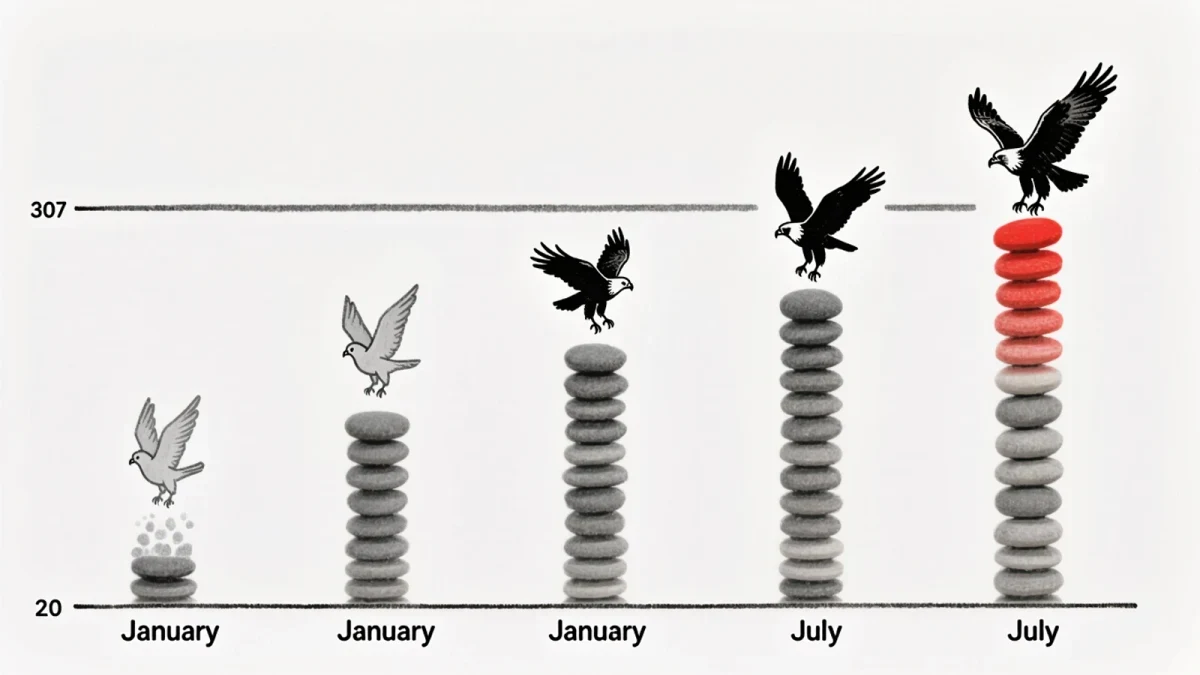
The July vote completes the first half-year's arc in a single number: a committee that began 2026 with two members pushing to cut ended its seventh meeting with three pushing to raise. The direction of internal dissent has reversed while the policy rate never moved — a reminder that the vote count and the rate are two different series.
What does the 9-3 vote say?
Structurally, that three members judged current policy too loose given their reading of the data — the statement's persistent inflation concern, including the energy-price attribution carried since spring, now strong enough in some members' assessment to prefer a higher range. The published statement records the vote and the direction of each dissent; the members' reasoning arrives in detail with the minutes, on the usual lag. What the vote does not say is anything about the next meeting: dissent patterns through 2026 have already shown the count swinging from 12-4 to 12-0 to 9-3 across three consecutive meetings, and a committee that variable internally is poorly described by any single meeting's split.
How does July complete the half-year sequence?
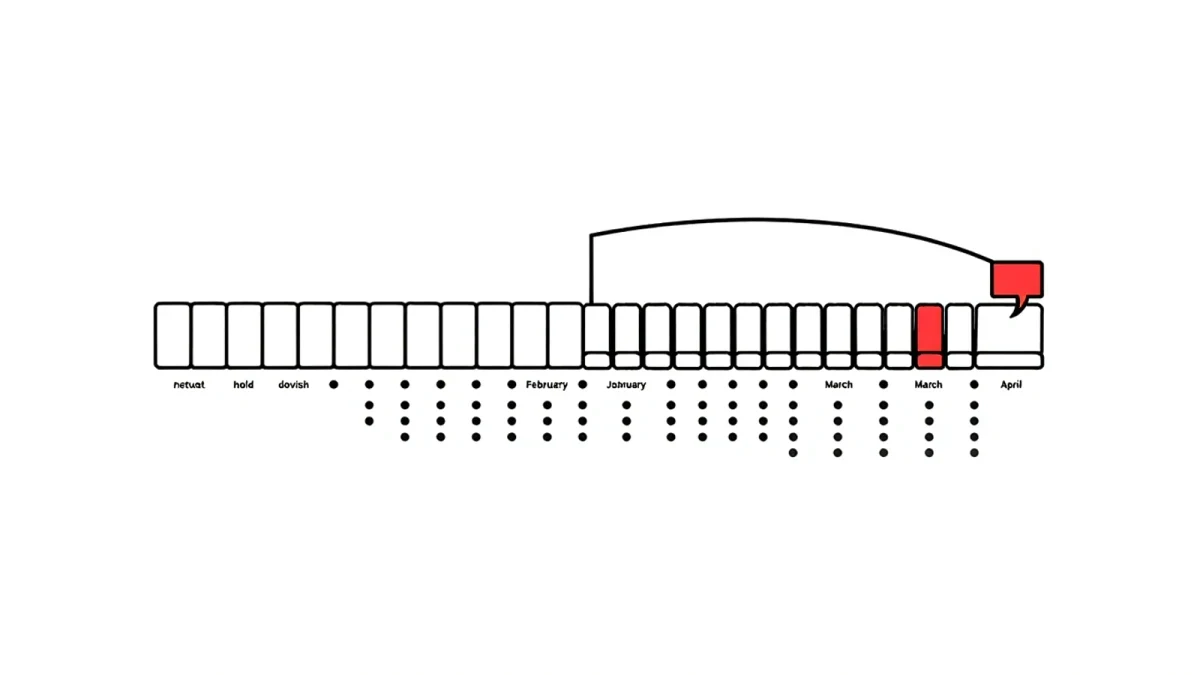
The full sequence, all published: January 28, hold, two dovish dissents; March 18, hold, one dovish dissent, Middle East language added; April 29, hold, four dissents — three against the easing-bias clause — with inflation tied partly to energy; June 17, hold, 12-0 under the shortened statement format introduced that month; July 29, hold, 9-3 with hawkish dissents. The policy range never changed; the description of the economy and the internal coalition both changed repeatedly. Statement-format changes add a documentation caution for the year: comparing the shortened June-July statements against the longer earlier ones requires reading what was dropped and what was kept, not just the vote counts.
What is the measurable bottom line?
Seven months, five meetings, five holds at 3.50 to 3.75 percent, dissent swinging from dovish to hawkish across them, and a statement text that grew an energy attribution and then shortened its whole form. Those are the auditable facts. Whether the hawkish dissents presage a hike — the question every summary will ask — is a forecast, and forecasts belong to their makers with their conditions attached. The primary documents for every claim in this article are the statements themselves at federalreserve.gov, with minutes and the 2026 meeting calendar alongside them.