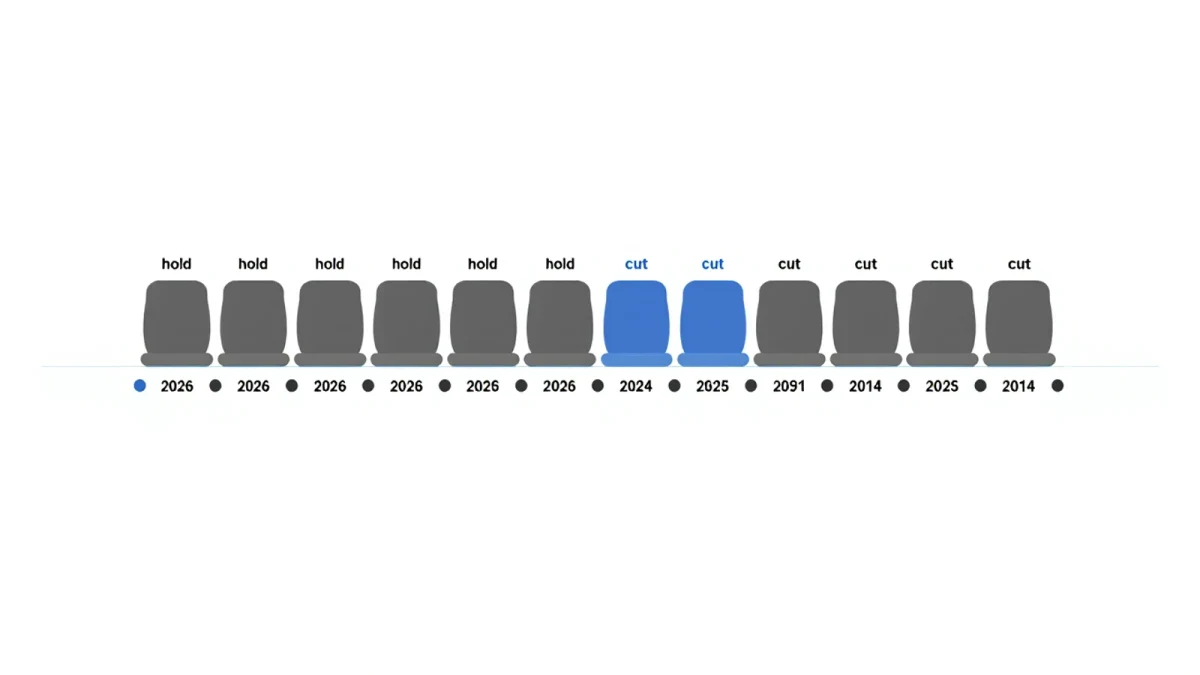

The Federal Open Market Committee held the federal funds target range at 3.50 to 3.75 percent on March 18, 2026, with a single member dissenting in favor of a cut, and the statement introduced new language on the implications of developments in the Middle East, per the text published by the Federal Reserve.
Between January's two dissents and April's four, March sits as the pivot month of the 2026 first half: the dovish dissent count fell to one while the statement itself began pricing a new risk factor into its description of the economy. Both changes are exactly the kind statement analysis can verify; neither is the kind it can extrapolate.
What changed in the statement?
Two measurable deltas. The vote: one dissent favoring a lower range, against January's two — the direction of internal disagreement shifted in size if not sign. The language: a sentence on the implications of developments in the Middle East, new to the statement, joining the standard inflation-and-employment framing. New risk-factor sentences matter because they are rare and because subsequent statements either keep, strengthen or drop them — a checkable sequence anyone can follow with the published texts side by side. April's statement, as it happened, retained and amplified the concern, tying elevated inflation partly to global energy prices.
How does the energy thread work mechanically?
The transmission the statements describe is the classic one: geopolitical disruption in energy-producing regions moves oil prices, oil moves headline inflation with a lag, and headline inflation feeds the inflation side of the dual mandate that the Committee is required to answer. What the statement does not do — and what no statement does — is quantify the channel: no elasticity, no scenario, no conditional path. That restraint is why this site treats statements as documents rather than models: they record what the Committee weighed, in the order and words it chose, and the quantification lives elsewhere or nowhere.
What does the March vote add to the 2026 sequence?
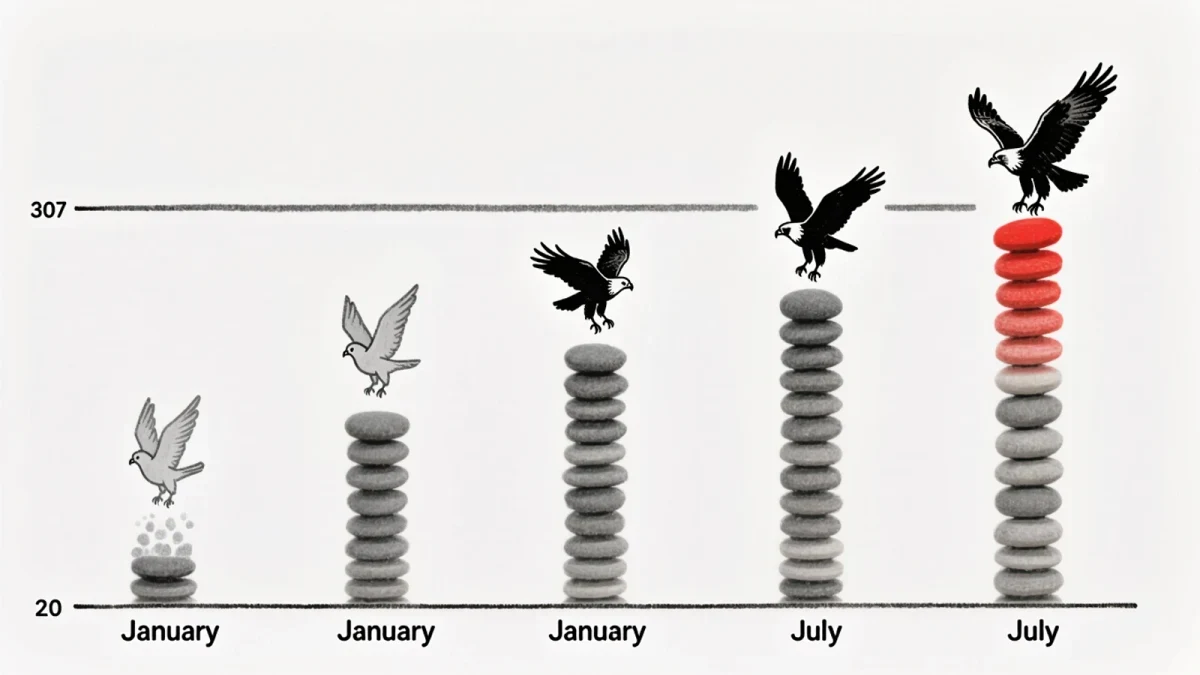
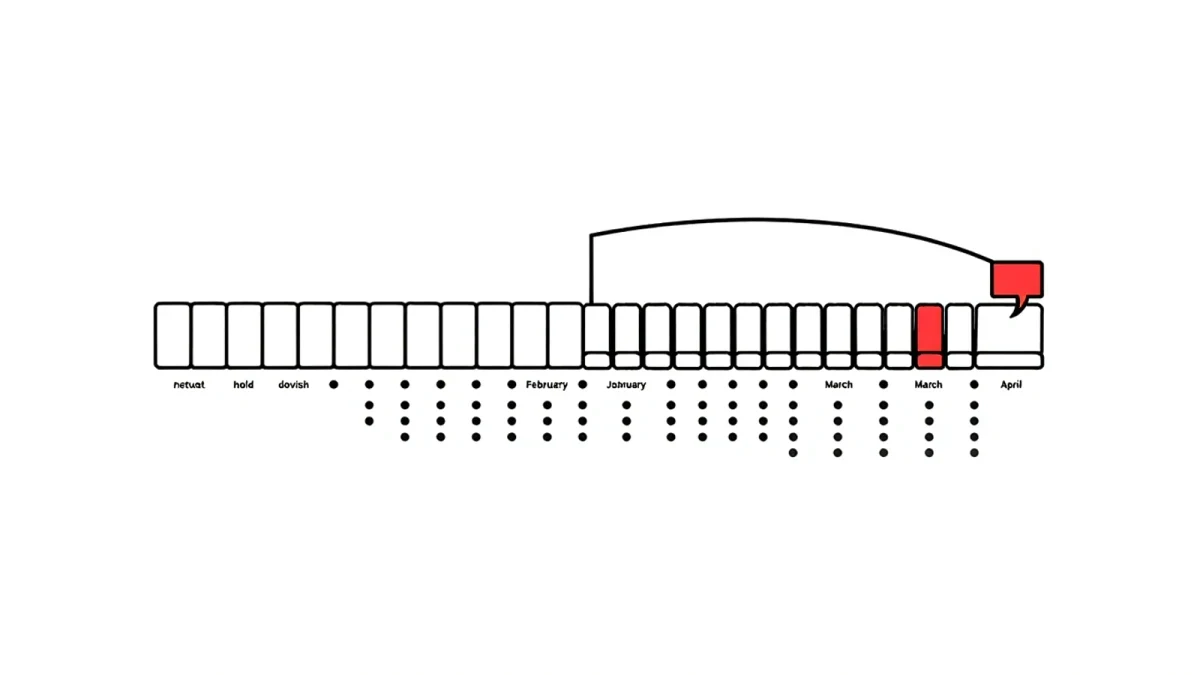
The year's vote series to date reads: January 12-2 dovish dissents, March one dovish dissent, April four dissents against the easing-bias formulation — three of them on the hawkish side of the language rather than the rate — June 12-0, July 9-3 hawkish. March is the inflection in that series: the moment the disagreement stopped being purely about speed of cuts and began including what the statement should say. Vote counts and language deltas are the two most auditable facts in monetary policy, and both moved in March. The primary texts — statements with full vote records — are published at federalreserve.gov.